
01
How meltdown and shutdown differ
Meltdowns and shutdowns are often mentioned together because they have similar triggers. But they show up differently – and so they call for different kinds of consideration.
Meltdown: overload turned outward
The National Autistic Society describes a meltdown as an intense response to an overwhelming situation in which a person temporarily loses control of their behaviour. This can show in words, such as shouting or crying, or physically, such as kicking or lashing out. In interviews with 32 autistic adults, many described extreme emotions such as anger, sadness and fear, as well as difficulty thinking and remembering.
Shutdown: overload turned inward
In a shutdown, the response turns inward. Autistic adults compare it to freezing, to a crashed computer or to retreating into themselves: speaking, moving or responding temporarily stops working. From the outside it often looks calm or absent – on the inside it can be very distressing.
Not a tantrum, not intentional
The National Autistic Society stresses that a meltdown is not a temper tantrum and not bad or naughty behaviour. It comes from being overwhelmed, not from calculation. On the contrary, many autistic adults try to stay in control, or withdraw when they feel a meltdown coming, to protect themselves and others.
Not the same as autistic burnout
Shutdowns and meltdowns are acute states. Autistic burnout, as described by Raymaker and colleagues, is persistent exhaustion, typically lasting three months or longer, with loss of skills and reduced tolerance to sensory input. The two can be connected: autistic young people described how built-up exhaustion can make a meltdown more likely. Research cannot yet separate the terms cleanly.
02
Signs, duration and triggers in adults
Research on adults so far consists mainly of interview and survey studies with small, mostly white samples. The points below describe commonly reported experiences, not fixed characteristics.
Before: warning signs
Before a meltdown, many autistic people show signs of distress, according to the National Autistic Society, such as pacing, asking the same questions repeatedly, rocking or becoming noticeably still. Before a shutdown, adults often describe a feeling of no longer being able to keep up because everything is coming at them too fast. At this stage it is sometimes still possible to change course.
During
In a meltdown: intense emotions, loss of control, shouting, crying or intense movements, often with difficulty thinking and remembering. In a shutdown: freezing, slowed or absent responses, being unable to speak or move, sometimes a sense of running on autopilot. Speaking may temporarily not be possible; some people then prefer to communicate in writing or with gestures.
How long it can last
In one study, autistic adults described shutdowns as usually lasting minutes to hours, occasionally days. For meltdowns, the sources reviewed here contain no reliable figures on duration. Then there is recovery: the National Autistic Society points out that recovering from sensory or information overload can take a while – how long varies a lot from person to person.
Common triggers
Triggers mentioned include sensory input such as noise, light or crowds, too much information at once, social and emotional strain, unexpected changes of plan and anxiety. Some adults experience shutdowns after long periods of adapting and masking, for example at family gatherings. Sensory overload is therefore a common trigger, but it is not the same thing as the meltdown or shutdown itself.
ADHD and AuDHD: similar, but barely researched
The terms come from the autism context but are now also used in connection with ADHD. In ADHD, professionals usually speak of emotional dysregulation: one review describes it as common across the lifespan, without agreement on how it should be classified. No studies specifically on meltdowns or shutdowns in ADHD without autism were found in the research for this page. With AuDHD, it is often impossible to tell what comes from where.
03
What helps: during, after and before
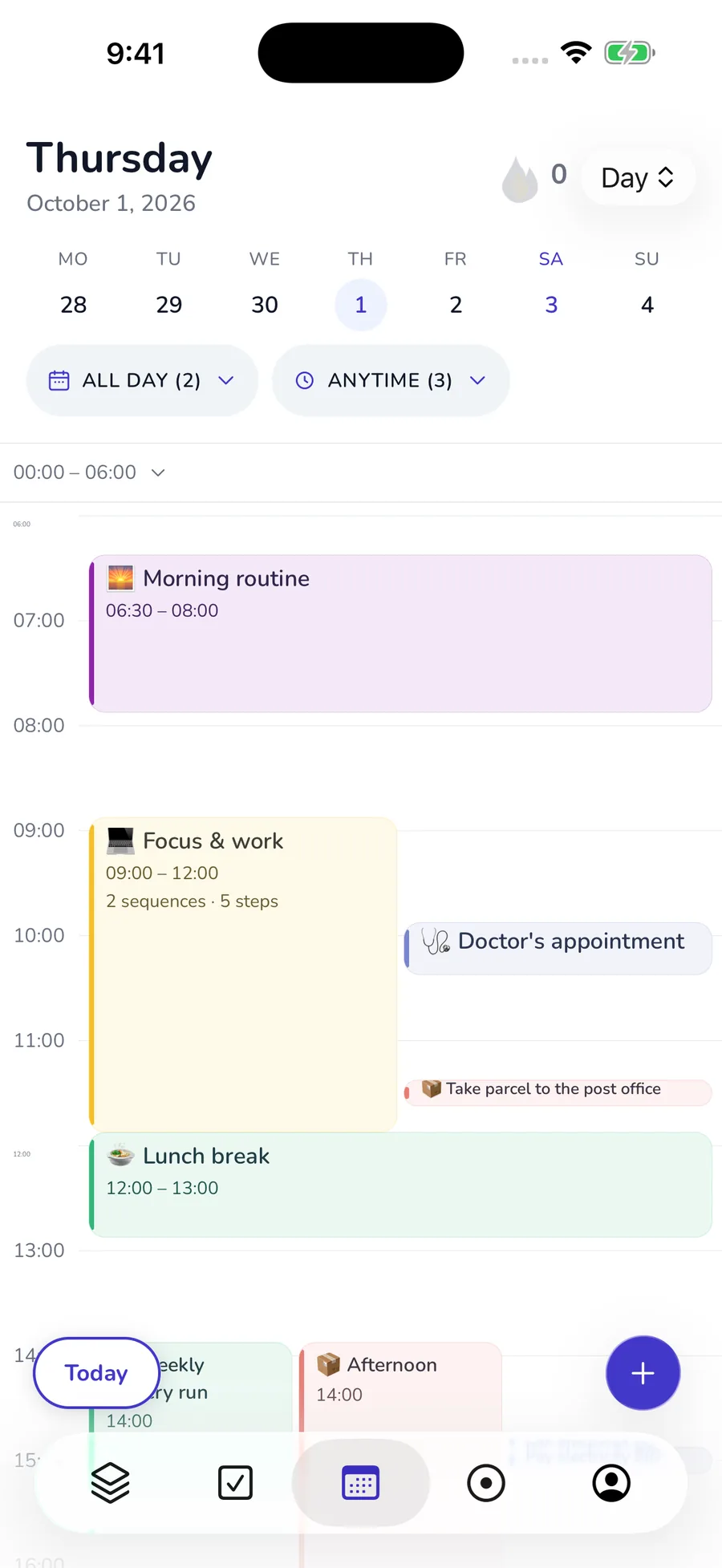
These suggestions come from autistic people’s accounts, a review and guidance from the National Autistic Society. They are aids for consideration and organisation, not treatment – and a planning app does not prevent a meltdown or shutdown either. What helps is individual.
During: reduce input, provide safety
If possible, find or create a quiet, safe place: turn music down, dim the lights, ask bystanders to move along. No demands, no barrage of questions, no arguing. Speaking is not required; writing, gestures or a prepared card can be enough. The priority is that nobody gets hurt.
What others can do
Don’t judge, and give time. Calmly ask whether the person is okay and expect a slower answer. Respect what has been agreed: some people want closeness or a hug, others no touch at all; some want to talk, others want silence. Phrases like “Stop it” or a sharp tone can make things worse, as autistic young people reported.
Afterwards: plan in recovery
After a meltdown or shutdown, many people are exhausted. It can help to lower demands for the rest of the day, drink, eat and rest before talking about what happened. Some people feel shame afterwards; more helpful than blame is asking together, later on, what triggered the overload.
Before: know the warning signs, plan a way out
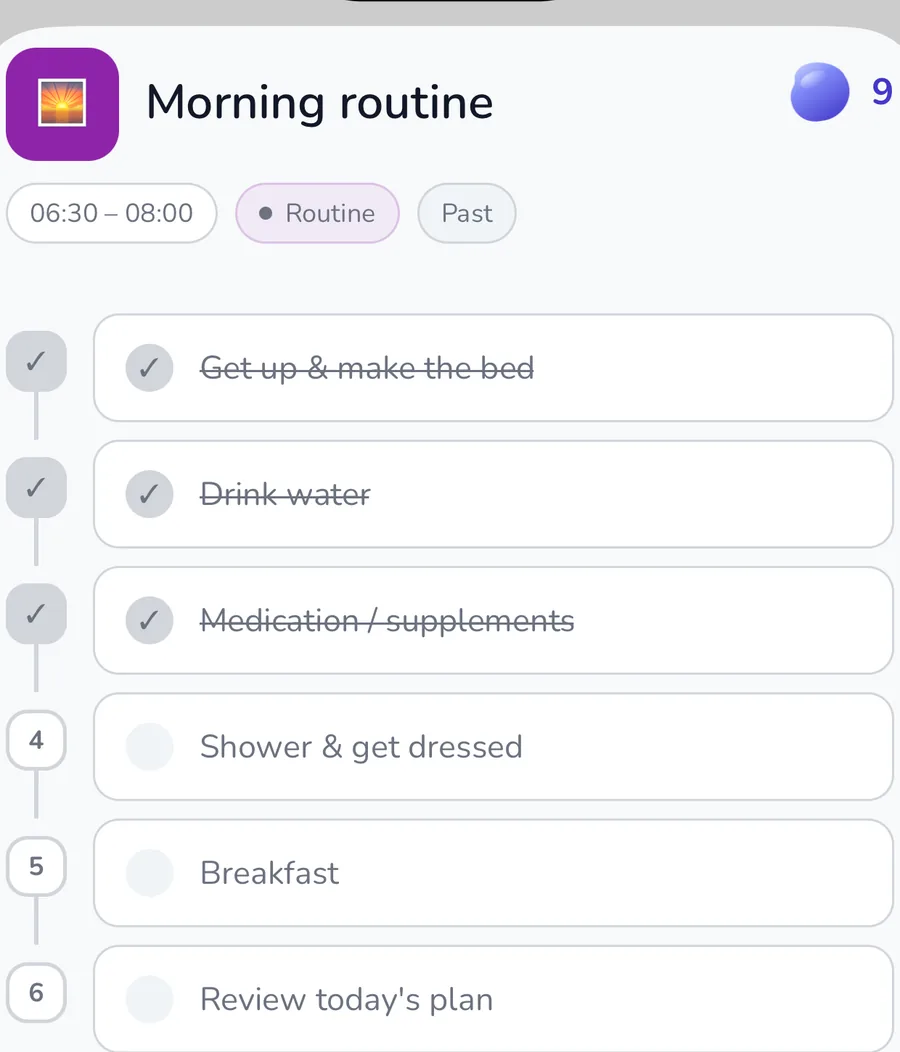
The National Autistic Society recommends recording for a while what happens before, during and after an episode of overload in order to spot patterns. This can be turned into a short plan: a place to retreat to, an agreed signal, a way home and free time after demanding appointments. A review also names having a plan prepared in advance as a help for communication in such moments.
When outside help matters
If you or others are in danger – for example through injuries, self-harm or thoughts of suicide – call your local emergency services or contact a crisis service. If meltdowns or shutdowns are frequent, very distressing or new, a professional with experience in autism can help clarify causes and support.
A practical example
Example: an exit plan for a family gathering

A fictional example. It shows how recovery and a way out can be planned in advance – not a rule and no guarantee that things won’t still become too much.
- Starting pointA family gathering with lots of people is coming up on Saturday, after a long working day on Friday.
- Agreed beforehandWith a trusted person: a hand signal means “I need quiet” – then no questions, just a quiet room.
- Brought alongHeadphones, water and a card saying “I’m overloaded and can’t talk right now”.
- 4:30 pmWarning signs: conversations become tiring, sounds seem louder, answers come more slowly.
- 4:40 pmHand signal, twenty minutes in the quiet room – or heading home earlier instead of pushing through.
- SundayNo appointments, no household goals: recovery and a short note on what helped.
| Feature | Meltdown | Shutdown |
|---|---|---|
| Direction | Outward | Inward |
| What others may see | Shouting, crying, intense movements | Freezing, silence, slow or no responses |
| What it can feel like | Extreme emotions, loss of control | Frozen, crashed or far away |
| What can help in the moment | Space, less input, no blame | Quiet, no questions, communication without speaking |
| In common | Involuntary response to overload | Involuntary response to overload |
Direction
- Meltdown
- Outward
- Shutdown
- Inward
What others may see
- Meltdown
- Shouting, crying, intense movements
- Shutdown
- Freezing, silence, slow or no responses
What it can feel like
- Meltdown
- Extreme emotions, loss of control
- Shutdown
- Frozen, crashed or far away
What can help in the moment
- Meltdown
- Space, less input, no blame
- Shutdown
- Quiet, no questions, communication without speaking
In common
- Meltdown
- Involuntary response to overload
- Shutdown
- Involuntary response to overload
Published and reviewed on · About the author
Sources for the background information
- National Autistic Society: Meltdowns – a guide for all audiences ↗UK autism charity, last reviewed in August 2020: definition as a temporary loss of control when overwhelmed, not a tantrum, warning signs beforehand, reducing input, giving time, identifying triggers with a diary. General information, not a study; aimed mainly at family members and supporters.
- Lewis & Stevens (2023): The lived experience of meltdowns for autistic adults ↗Phenomenological study with 32 autistic adults (abstract read): overwhelm from information, senses and social or emotional stress, extreme emotions, problems with thinking and memory, attempts to stay in control. Small online sample.
- Paris, Lodestone, Houser & Lewis (2025): A Metaphor Analysis of Autistic Shutdowns ↗Secondary analysis of texts from 50 autistic adults: shutdown as freezing, crashing or withdrawing inward; social, sensory, informational or emotional triggers; usually minutes to hours, occasionally days. Mostly white participants, online only; according to the authors, the line between shutdown and burnout is still blurry.
- Phung et al. (2021): Insights on Burnout, Inertia, Meltdown, and Shutdown From Autistic Youth ↗Interviews with eight autistic children and young people (aged 8–18): exhaustion and changes of plan as triggers, individual preferences about touch and talking, “stop” and a sharp tone as making things worse. Very small sample, no adults.
- Oldenburg et al. (2026): Communication of autistic people during experiences of distress – a scoping review ↗Review of 18 studies on communication in moments of distress: speech can drop out during a shutdown; prepared plans, communication aids, fewer questions and a quiet place are described as helpful. Little research, no testing of effectiveness.
- Raymaker et al. (2020): Defining Autistic Burnout ↗Participatory interview study (19 interviews, 19 internet sources): autistic burnout as persistent exhaustion, typically three months or longer, with loss of function and reduced tolerance to sensory input. Small, exploratory sample.
- Shaw, Stringaris, Nigg & Leibenluft (2014): Emotion dysregulation in ADHD ↗Review (abstract read): emotional dysregulation is common in ADHD across the lifespan, but there is no agreement on how to classify it. Does not address meltdowns or shutdowns.